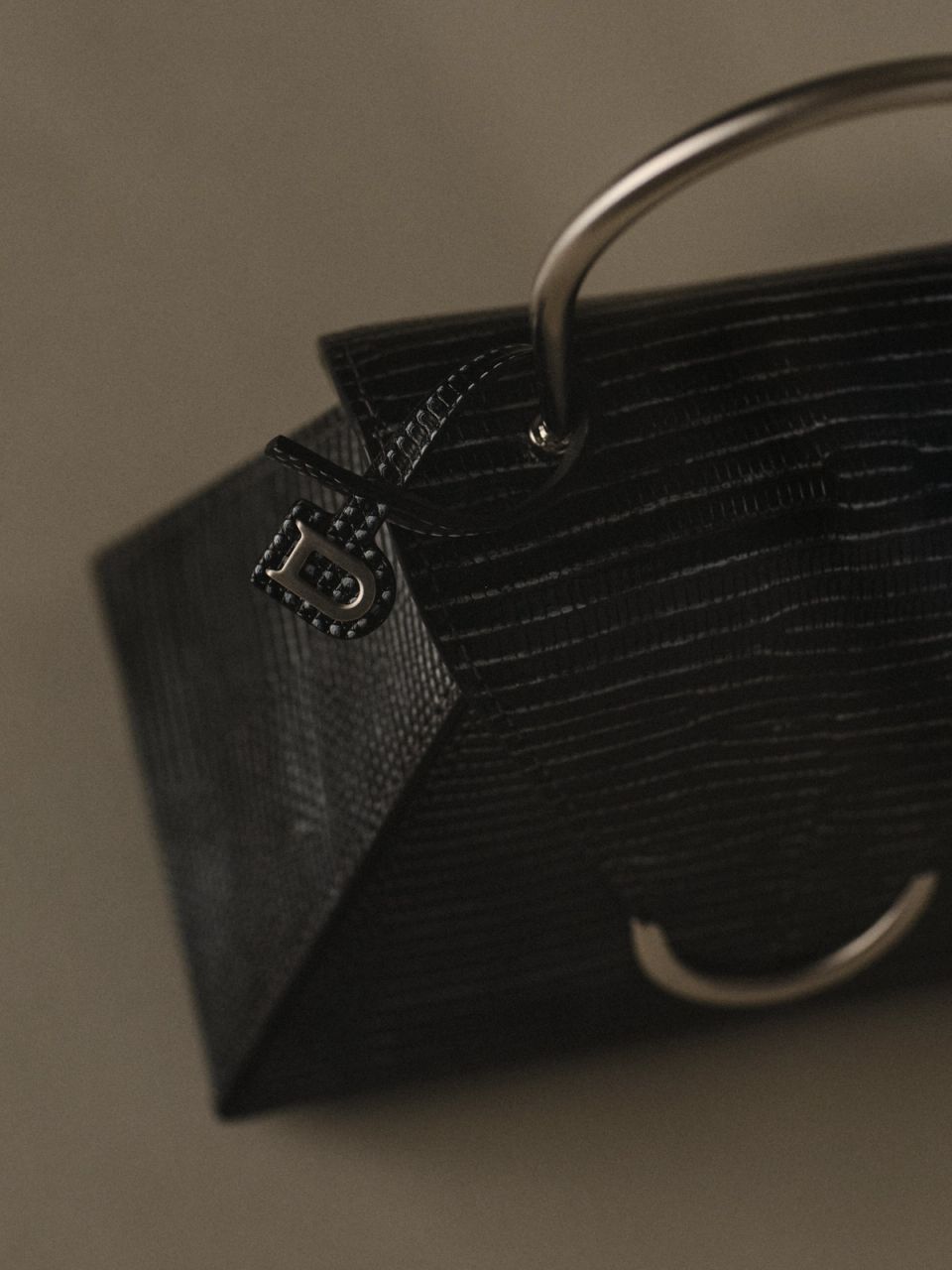
Crossing Borders with Exotic Leathers? Your Passport May Not Be Enough
How to ensure your exotic leather luxury goods travel seamlessly across international borders.
You've finally purchased the piece you've been dreaming about for years. Whether it's a crocodile handbag, a python wallet, or an alligator belt, your newest acquisition is carefully packed for the journey home.
Your passport will get you through immigration, but your luxury item may need documentation of its own.
Many products made from protected animal species require CITES permits before they can legally cross international borders. Without the proper paperwork, customs officials may delay, confiscate, or refuse entry to your item.
Fortunately, preparing in advance is easier than you might think.
What Is a CITES Permit?
The Convention on International Trade in Endangered Species of Wild Fauna and Flora (CITES) is an international agreement that regulates the trade of products made from protected animal and plant species.
If your handbag, shoes, wallet, watch strap, or other accessory contains exotic leather, you may need a CITES permit depending on where you're traveling, the species involved, and whether any exemptions apply.
Because regulations differ between countries, it's important to understand the requirements before your trip.
Your C-I-T-E-S Travel Checklist
To simplify the process, we've created an easy action plan you can remember using the acronym C-I-T-E-S.
C — Check Which Species Are in Your Collection
Start by identifying the exotic materials in any pieces you plan to travel with.
Don't forget smaller accessories. Wallets, belts, watch straps, and products with exotic leather trim may be subject to the same regulations as full exotic leather handbags.
The official Checklist of CITES Species.
I — Identify Whether the Species Is Protected
Once you've identified the material, confirm whether it is listed under CITES by searching the official CITES Species Database.
Protected species are categorized into different appendices that determine how international trade is regulated. Knowing which appendix your item falls under will help you understand the documentation you may need.
T — Track Down Your CITES Management Authority
Next, locate the CITES Management Authority for your country, as this is the organization responsible for issuing permits and answering questions about import and export requirements.
If you're traveling internationally, it's equally important to understand the requirements of your destination country.
E — Explore Whether an Exemption Applies
Not every trip requires a permit.
Canada and the United States both provide exemptions for certain personally owned items that are not being transported for commercial purposes. However, exemptions vary by country and may not be recognized at your destination.
Always confirm the requirements with both your departure and arrival countries before you travel.
S — Start the Permit Process Early
If your trip requires a CITES permit, apply well in advance. Processing times vary considerably, and waiting until the last minute can delay your travel plans.
If you purchased your item directly from a luxury boutique, the retailer may be able to assist with obtaining the required documentation.
For pre-owned purchases, you'll often need information about the item's original origin and ownership history. This is one reason why maintaining detailed provenance records is so valuable throughout the life of a collection.
Ethereal Archives securely preserves provenance, ownership history, authentication records, receipts, appraisals, and supporting documentation in one place, making it easier to access the information you may need when traveling, insuring, or eventually reselling your collection.
At the Border: What to Expect
When crossing an international border, customs officials may ask to review your CITES permit and supporting documentation.
Keep in mind that permits are often issued for a specific trip and may need to be obtained again for future international travel.
Having your documentation organized and easily accessible can make the process significantly smoother, particularly for frequent travelers and collectors with multiple exotic leather pieces.
The Bottom Line
Exotic leather pieces require more than careful packing, they require preparation.
Before traveling internationally, identify the materials in your collection, confirm whether they are protected under CITES, understand the requirements of both your departure and destination countries, and organize your supporting documentation well before your trip.
Ethereal Archives helps collectors securely preserve provenance, permits, ownership records, receipts, authentication documents, and the stories behind every piece in one trusted digital archive.
Whether you're traveling, insuring, reselling, or planning for future generations, you'll always have your collection's documentation organized, accessible, and ready when you need it, making it easier to protect both the value and the legacy of what you own.
Disclaimer: This article is intended for informational purposes only and does not constitute legal advice. CITES regulations vary by country and may change over time. Always consult your local CITES Management Authority and official government resources before traveling with products made from protected species.
Be part of a growing community that values the stories behind what we own. Join the Ethereal waitlist to be the first to know when the app launches.